A conveyor chain is an essential component in modern industrial systems, used to transport materials efficiently and reliably across production lines. Composed of interconnected link plates, it operates like a mechanical backbone, moving goods and raw materials through manufacturing, packaging, and processing facilities. Conveyor chains are valued for their strength, durability, and ability to handle both light and heavy loads.
There are several main types of conveyor chains used in different industries, each offering distinct structural and functional advantages.
Roller conveyor chains are the most widely used. They feature rollers between the link plates, which minimize friction and allow smooth movement. These are common in automated assembly lines and industrial transport systems.
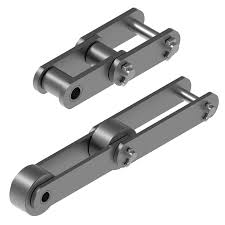
Drag conveyor chains are designed for moving bulk materials like grains, cement, or chemicals. They use paddles or scrapers that drag the material through an enclosed channel, preventing loss and dust.
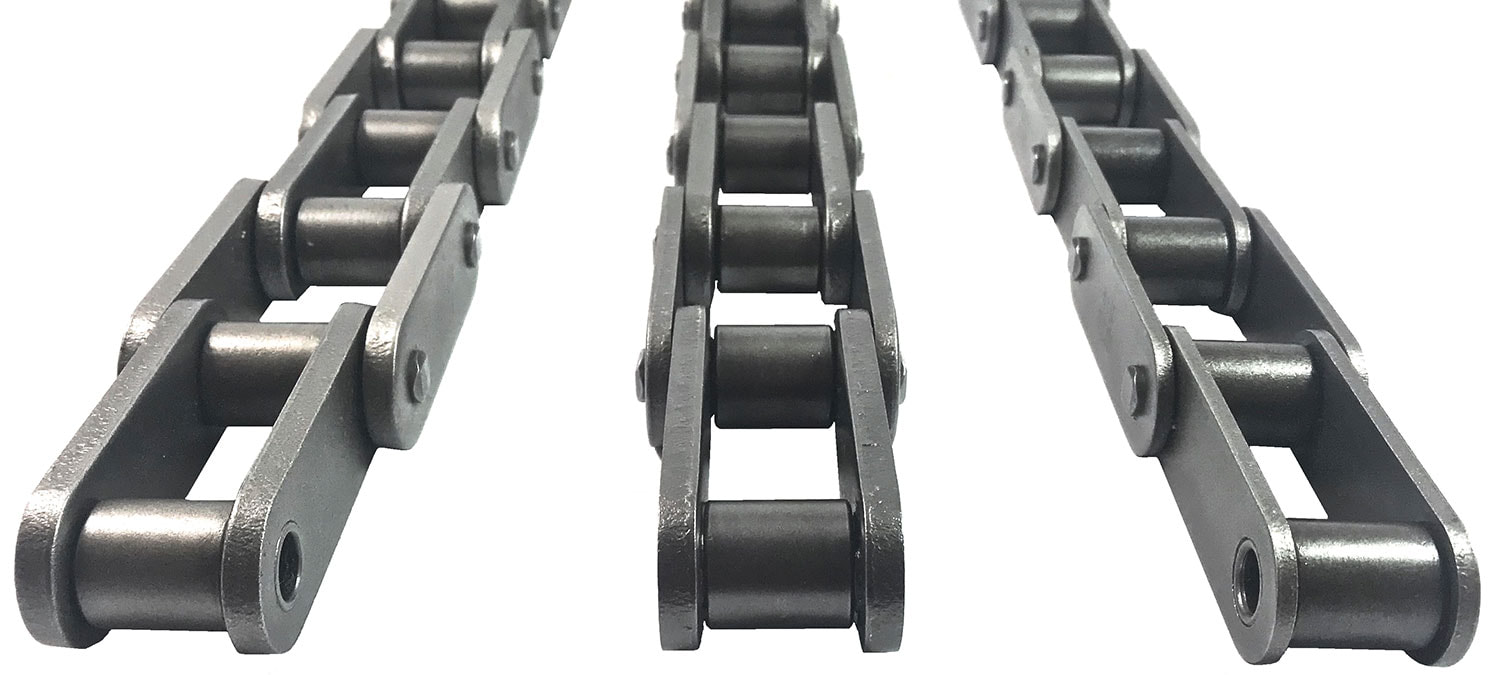
Flat-top conveyor chains have a flat, smooth surface ideal for conveying products that require stability, such as bottles or cartons. They are widely used in the food, beverage, and pharmaceutical industries.
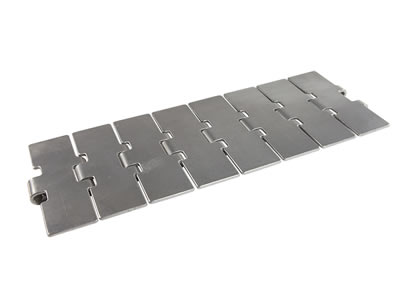
Slat conveyor chains consist of metal or plastic slats connected by link plates, forming a robust and versatile surface. They are perfect for carrying heavy, irregularly shaped, or hot objects, making them common in automotive and heavy-duty manufacturing.
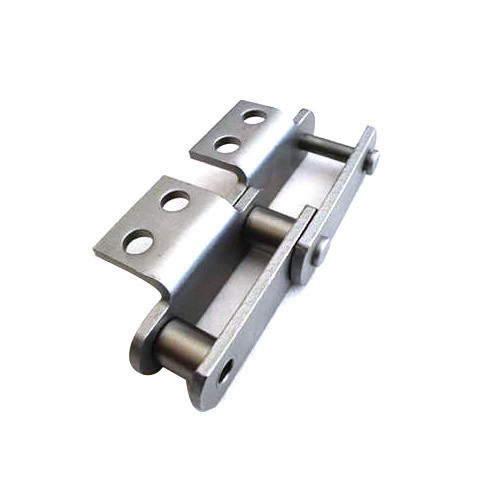
| Type | Structure | Main Feature | Typical Application | Advantages |
|---|---|---|---|---|
| Roller Conveyor Chain | Rollers between link plates | Low friction, smooth movement | Assembly lines, packaging, transport systems | High speed, low wear, easy maintenance |
| Drag Conveyor Chain | Scrapers or paddles attached to links | Moves bulk materials in enclosed channel | Agriculture, mining, chemical transport | Dust-free, efficient bulk handling |
| Flat-top Conveyor Chain | Flat, smooth plates on top of links | Stable platform for items | Food, beverage, bottling, electronics | Easy cleaning, gentle handling |
| Slat Conveyor Chain | Series of metal or plastic slats | Strong and durable | Automotive, foundry, material handling | Handles heavy and hot loads, versatile |
| Link Plate Material Options | Steel, stainless steel, or plastic | Determines durability and corrosion resistance | All industries | Adaptable to different environments |
Conveyor chains are indispensable in many industrial sectors:
When sourcing conveyor chains, it’s important to consider quality and cost. Many manufacturers offer deals on chain solutions — including roller conveyor chains, drag conveyor chains, and flat-top conveyor chains — to meet various industrial needs. Customized options are also available for specialized applications, ensuring both performance and value.
Q1: What materials are conveyor chains made from?
A: They are typically made from carbon steel, stainless steel, or engineering plastic, depending on load and environment.
Q2: What is the main difference between roller and drag conveyor chains?
A: Roller chains reduce friction with rollers, ideal for continuous motion, while drag chains pull materials along enclosed paths.
Q3: How often should conveyor chains be maintained?
A: Regular lubrication and inspection of link plates and rollers are essential every few months or as recommended by the manufacturer.
Q4: Can conveyor chains handle heavy loads?
A: Yes, especially slat conveyor chains and drag conveyor chains, which are built for high-load industrial environments.
Q5: Where can I find deals on conveyor chains?
A: Many online industrial suppliers offer deals on chain products, including bulk orders and OEM customization options.
From roller conveyor chains that enable smooth movement to slat conveyor chains designed for heavy-duty transport, each type of conveyor chain plays a vital role in modern industrial systems. By understanding the differences, benefits, and applications outlined in the comparison table, businesses can choose the right chain to enhance efficiency, reduce downtime, and achieve long-term operational success.