When it comes to lifting heavy loads safely and efficiently, forklifts rely on a specialized chain designed for strength and durability—the leaf chain. This type of chain plays a critical role in forklift lift systems, ensuring stable vertical movement of the mast and forks. In this blog, we’ll explore what leaf chains are, why they are used on forklifts, and what makes them ideal for high-performance lifting applications.
A leaf chain—also known as a forklift mast chain—is a tension-link chain constructed with interlacing steel plates and pins. Unlike roller chains, leaf chains do not use rollers. Instead, they rely on their stacked plate design to handle extremely high tensile loads.
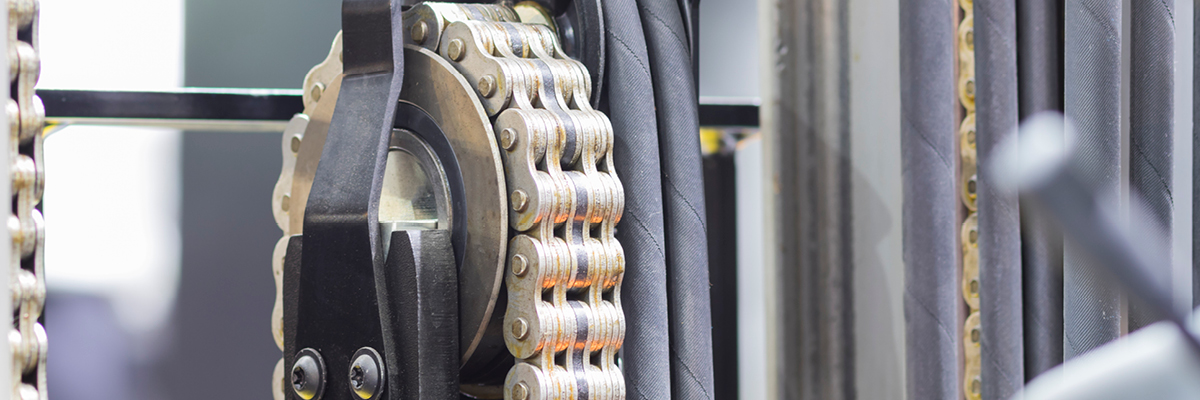
Because of these unique features, leaf chains are commonly found in material-handling equipment such as forklifts, hoists, and lift trucks.
Forklifts require a chain capable of supporting the full weight of the load being lifted. The forces involved during a forklift lift are intense, especially in industrial environments where reliability is essential.
Leaf chains offer extremely high tensile strength, allowing them to support heavy loads without stretching or breaking.
Forklift operations often involve repetitive lifting cycles. The chain must withstand continuous stress, shock loads, and long working hours. Leaf chains are engineered for long-term strength and durability, even under harsh conditions.
The interlaced plate construction ensures reliable motion control, providing smooth, stable mast lifting and lowering.
Leaf chains play a vital role in forklift safety systems, helping maintain proper alignment and preventing mast failure.
The most common leaf chain series used in forklifts include:
Each series has specific plate thicknesses, pin diameters, and tensile ratings that match different forklift models and load capacities.
Selecting the right leaf chain depends on:
Using the wrong chain type or low-grade materials can lead to premature wear, instability, or safety hazards during lifting.
To keep your forklift lifting safely and smoothly:
Proper lubrication reduces friction and prevents corrosion.
Chains gradually elongate; replace them before reaching the wear limit.
Check for cracked plates, rust, pin deformation, or stiff joints.
Forklift masts typically use paired chains—replace them as a set to maintain balance.
Forklifts primarily use leaf chains, designed for strength and durability and capable of lifting heavy loads in vertical mast applications.
No. Leaf chains are constructed from interlacing plates without rollers, giving them higher tensile strength for lifting tasks.
Service life varies based on usage, lubrication, load weight, and environment. Regular inspections and maintenance significantly extend lifespan.
Yes. A stretched or damaged chain can compromise mast stability and create serious safety risks. Timely replacement is essential.
Refer to your forklift’s manual, OEM specifications, or consult a chain manufacturer to match the correct series and strength rating.
The leaf chain is the backbone of every forklift lift system, engineered to handle heavy loads with exceptional strength and durability. Whether you operate warehouses, factories, or material-handling equipment, choosing the right chain and maintaining it properly ensures maximum safety, efficiency, and long service life.
If you need high-quality forklift leaf chains or technical guidance, feel free to reach out!