When it comes to power transmission and mechanical power transfer, few components are as essential and reliable as the roller chain. This versatile steel chain is used across industries — from automotive to food processing — due to its strength, durability, and ability to perform under high speeds. But what exactly is a roller chain, and what makes it so effective in modern machinery?
A roller chain is a type of steel chain designed to transmit mechanical power between rotating shafts. It consists of a series of interconnected components, including roller links, pin links, and bushings, which work together to provide smooth and efficient motion.
The roller link is one of the key parts — it houses the rollers that engage directly with sprocket teeth, reducing friction and wear. This design allows roller chains to handle high speed applications while maintaining accuracy and stability.
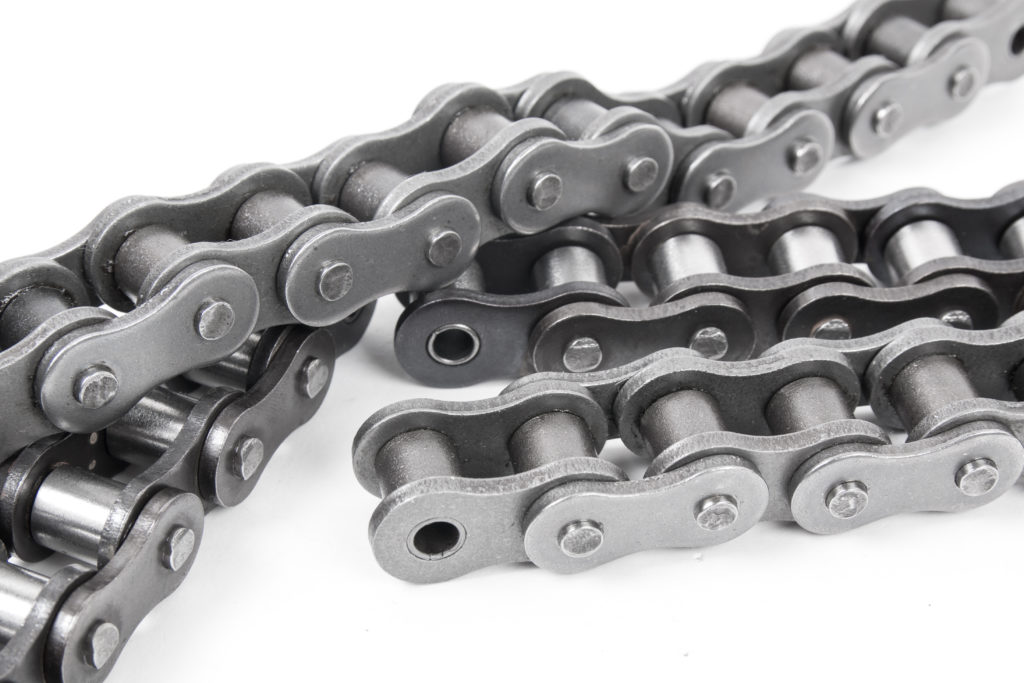
There are several types of roller chains available, each suited to different industrial needs:
The material used to make a roller chain greatly influences its performance and lifespan.
Selecting the right material depends on the operational environment and the level of maintenance available.
Roller chains are vital in many industries for transmitting mechanical power efficiently. Common uses of roller chains include:
1. What is a roller chain used for?
A roller chain is primarily used for transmitting mechanical power in machinery. It connects two or more rotating shafts and ensures efficient and synchronized motion, making it essential in high speed applications and industrial systems.
2. What is the difference between a roller chain and a conveyor chain?
While both are used in industrial applications, a roller chain focuses on power transmission, whereas a conveyor chain is designed to move materials or products along a line.
3. What materials are roller chains made from?
Roller chains are commonly made from carbon steel or stainless steel, depending on the required strength and corrosion resistance.
4. What are roller chains with attachments used for?
Roller chains with attachments are used in custom systems like conveyors, elevators, and packaging machines, allowing for additional parts to be connected for specialized functions.
5. How long do roller chains last?
With proper maintenance and lubrication, a high-quality roller chain can last several years, depending on load, speed, and environmental conditions.
A roller chain is one of the most efficient and versatile solutions for power transmission in mechanical systems. Whether it’s a carbon steel chain for industrial machinery or a stainless steel chain for food processing, choosing the right type of roller chain ensures optimal performance and longevity.
Its combination of roller links, strength, and adaptability makes it a cornerstone in modern engineering — proving that even the smallest components can drive the biggest machines.