Efficient movement of bulk material—including stone, sand, ore, and coal—depends heavily on reliable high-load conveyor chains. In demanding industries such as aggregates, mining, construction, and forestry, the right chain must withstand extreme loads, abrasive environments, and continuous operation. This is why selecting the right heavy-duty chain, bulk material conveyor chain, aggregate conveyor chain, and coal conveyor chain is critical for performance and safety.
This guide explains how different chain types support high-load operations, the importance of chain grades and materials, and how to choose high quality, heat treated, and engineered chains that deliver long-term reliability.
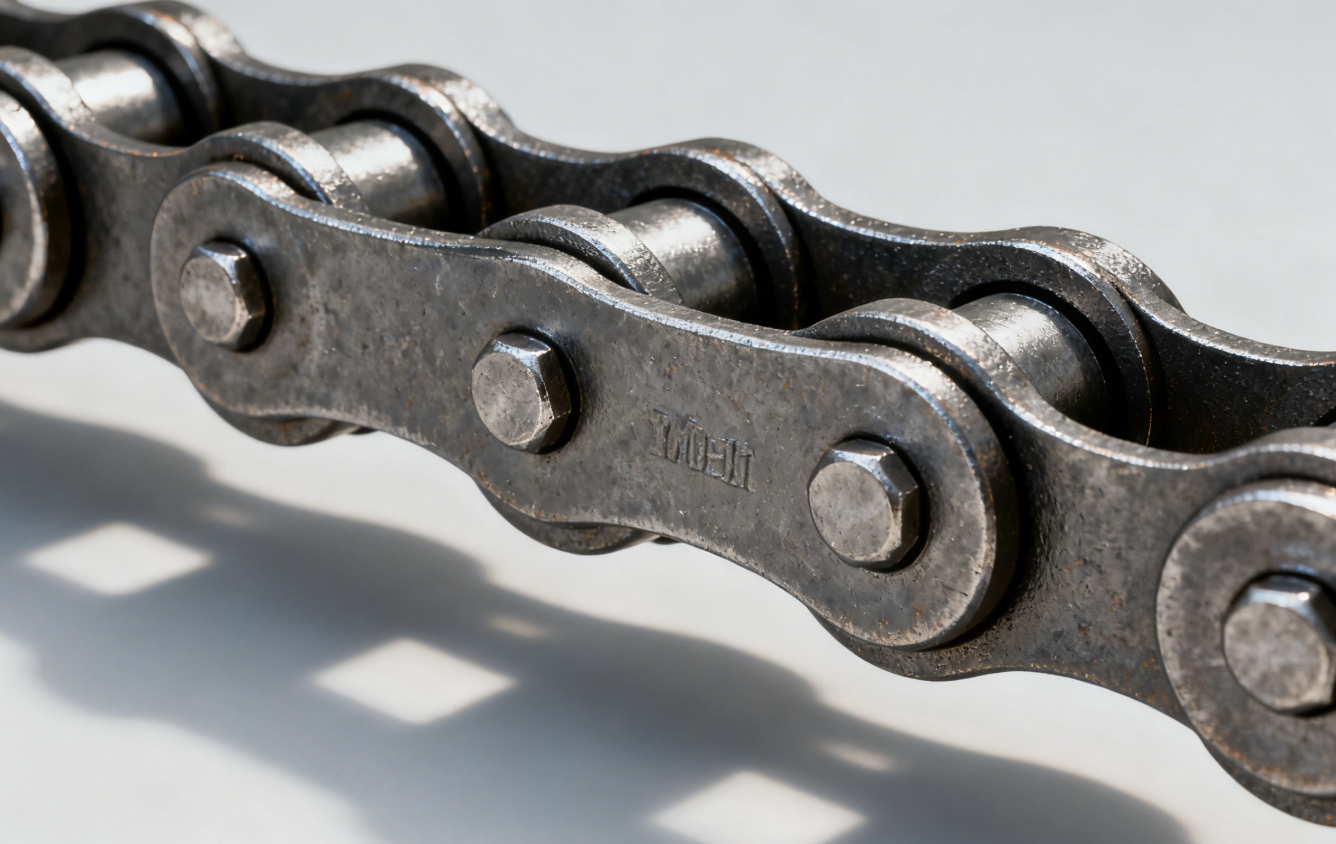
High-load conveyor systems rely on heavy duty and duty chains to transport bulk material safely. These chains are commonly used in:
Because these environments handle abrasive and heavy materials, the chains must provide durability, stability, and high tensile strength under severe working conditions.
Designed to move large volumes of stone, sand, coal, or ore. These chains must maintain consistent motion under high loads and resist wear.
Used in quarries and aggregate plants to convey stone and gravel. Chains must be heat treated and built for impact resistance.
Installed in coal mining conveyor systems, shuttle cars, and drag conveyors. These chains handle severe abrasion and demanding working load limit requirements.
Drag chains pull or drag heavy materials along troughs. They must be engineered for high torque and minimal stretch.
Used in forestry to handle timber, logs, and debris. Logging chains require high strength and toughness.
Chains used for securing loads during transport. Common in construction, mining, and heavy equipment hauling.
The performance of a conveyor chain greatly depends on the grade and material composition:
Most heavy-duty chain is made from alloy steel for maximum durability. Alloy steel provides:
A grade 100 chain offers high strength and is frequently used in mining, overhead lifting, and extreme heavy-load applications.
Often used as binder chain, grade 70 is suitable for load securement and lighter heavy-duty hauling.
A general-purpose chain used for moderate loads but not recommended for overhead lifting or extreme industrial applications.
Custom-designed chains for specific bulk material applications. Ideal for specialized conveyors or unique operating conditions.
For stone, sand, ore, and coal, the chain must be:
Heat treated chains offer increased durability, deep surface hardness, and resistance to fatigue.
High-strength alloy steel and precision manufacturing ensure long service life even in abrasive environments.
Heavy-duty components resist stretching, breakage, and deformation under continuous load.
Ensuring the chain meets the proper working load limit reduces failures and improves system safety.
Chains must operate in dust, moisture, vibration, impact, and constant loading without loss of performance.
Grade 100 chain is typically recommended for the highest strength requirements, especially in mining and lifting applications.
Yes. Alloy steel provides superior strength, wear resistance, and durability in abrasive environments like coal, ore, and aggregates.
Proof coil can be used for lighter tasks, but it is not recommended for heavy-duty conveyors or overhead lifting.
Heat treated chains have improved surface hardness and fatigue life, making them better suited for continuous heavy-load operation.
Drag chains are ideal for moving coal, sand, ore, and other bulk materials through trough conveyors or shuttle systems.
High-load conveyor systems for stone, sand, ore, and coal rely on durable, high quality, heat treated, and heavy-duty chains engineered to handle extreme working conditions. Whether you are using aggregate conveyor chains, coal conveyor chains, drag chains, or engineered chains, selecting the correct chain grade—such as grade 100 or grade 70—ensures reliable performance, long service life, and safe operation.
With the right conveyor chain and proper maintenance, bulk material handling systems can operate smoothly, even under the harshest industrial conditions.